How to Start a Pet Waste Removal Business That Thrives in 2026
A pet waste removal business is one of the few service niches where demand keeps climbing every year. More households own dogs than ever, and fewer owners have the time, tools, or stomach for daily yard cleanup. If you can show up on schedule with the right gear and a reliable process, you can build a profitable pooper scooper route in almost any suburb or dense urban neighborhood.
This guide walks through the practical side of launching and scaling a professional dog waste cleanup company in 2026 — equipment, pricing, sanitation, and growth strategy. It is written for operators, not hobbyists, so expect real numbers and real workflows rather than vague advice.
Why Pet Waste Removal Is a Smart Business Move in 2026
Pet ownership has stayed high since the pandemic surge, and many new owners never developed the habit of consistent yard cleanup. Homeowners associations, property managers, and dog daycare facilities are also actively outsourcing this work because unmanaged waste creates liability, odor complaints, and pest problems.
The barrier to entry is low compared to most home service businesses. You do not need a storefront, a fleet of trucks, or years of training. What you do need is dependable equipment, a repeatable system, and a commitment to sanitation between every single yard.
What Equipment Do You Actually Need to Start?
Your toolkit determines how fast you can work and how professional you look pulling into a client’s driveway. Skimping on gear costs you time on every stop, which adds up fast across a full route.
- A durable, long-handled scooper rated for daily commercial use, not a flimsy consumer model
- Heavy-duty waste bags that resist tearing and leaking in a loaded service vehicle
- A sealable collection bin or tote for transport between properties
- Hospital-grade disinfectant spray or wipes for tool and boot sanitation
- Rakes or hand tools for wooded or heavily overgrown yards
- A rain jacket, gloves, and boot covers for weather and hygiene protection
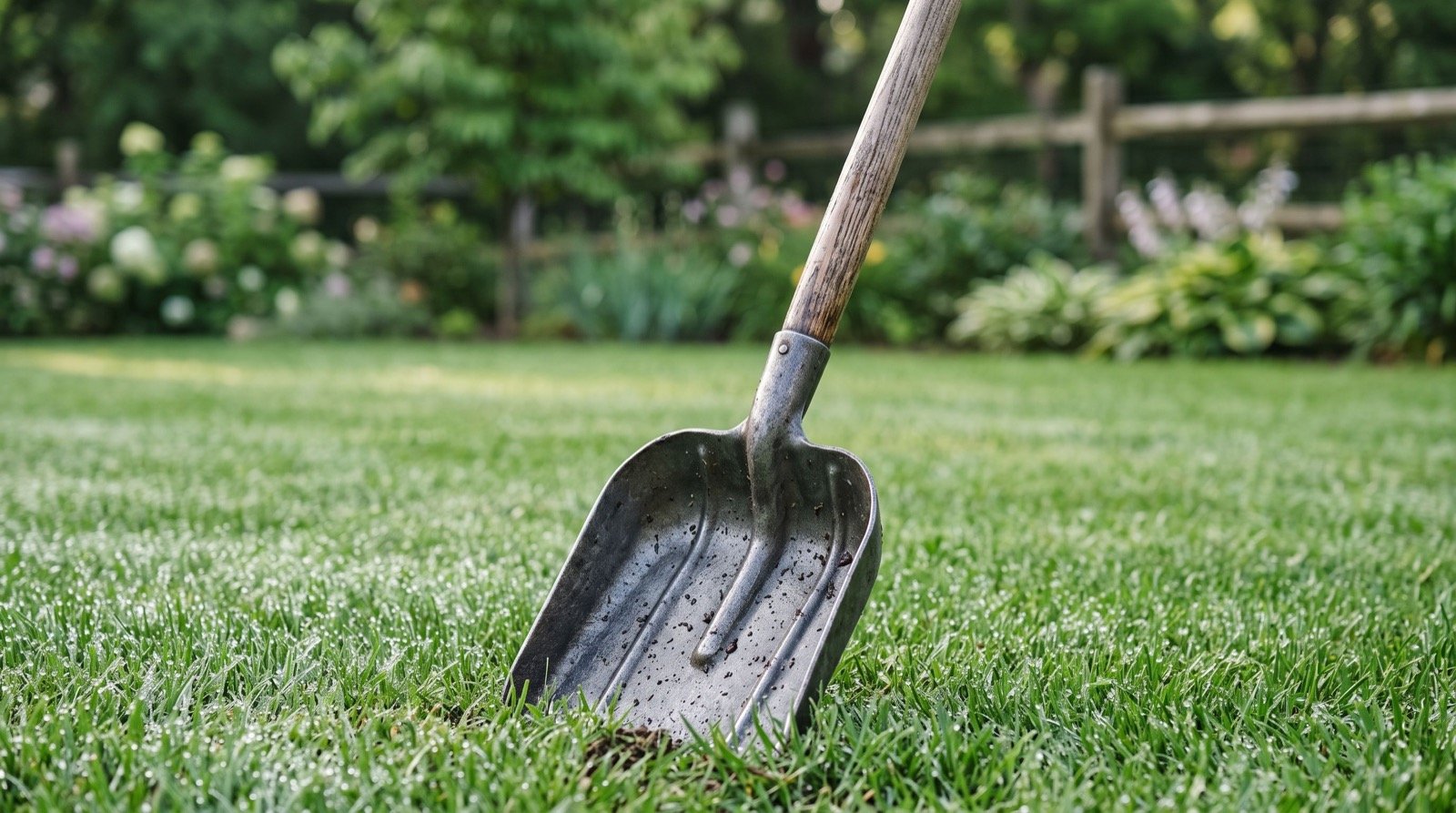
For the actual pickup tool, most successful operators standardize on one design across their whole crew so training is fast and parts are interchangeable. The Arm and Hammer Pooper Scooper is a common choice among route-based operators because it holds up to repeated daily use without the hinge or spring failing after a few months, which is a real problem with cheaper models.
Bags matter just as much as the scooper itself. A bag that splits open in a client’s trash can or in the back of your van is a liability and a bad look. Many pros switch to Heavy duty trash bags specifically because standard kitchen bags are not built for the weight and moisture of pet waste across a full commercial route.
How Should You Price a Pooper Scooper Route?
Pricing is where most new operators either scare off customers or leave money on the table. The right structure balances predictable weekly income against the time each yard actually takes.
Most residential pet waste removal businesses in 2026 price around a weekly visit model, with the number of dogs and yard size as the main variables. A one-dog yard on a weekly visit typically runs less than a two-dog or three-dog household, since volume and cleanup time scale with the pack.
| Service Frequency | Typical Use Case | Relative Price Level |
|---|---|---|
| Once weekly | 1-2 dogs, standard yard | Baseline |
| Twice weekly | 2-3 dogs, active households | Moderate premium |
| Twice monthly | Budget-conscious owners | Slight discount per visit, lower total value |
| One-time deep clean | Move-ins, spring cleanup, neglected yards | Highest single-visit rate |
Deep cleans and first-time visits should always carry a premium. An overgrown yard that has not been serviced in months takes far longer than a maintained route stop, and pricing it the same as a weekly client shortchanges your time.
Building a Sanitation Process Between Yards
Cross-contamination between properties is the single biggest professional risk in this industry. Pet waste can carry parasites, bacteria, and pathogens that transfer easily from one yard to the next on unwashed tools or boots.
- Disinfect the scooper head after every single yard, not just at the end of the day
- Use boot covers or a dedicated pair of work boots, and wipe soles between stops
- Bag and seal waste immediately rather than carrying an open bag between yards
- Keep a separate clean and dirty zone in your service vehicle
- Wash hands or use sanitizer before handling your phone, clipboard, or invoices
- Dispose of bagged waste at an approved facility rather than a client’s residential bin, unless agreed upon
Following veterinary and public health guidance on this is not optional overhead — it is what separates a professional service from a neighborhood kid with a bucket. The EPA’s pet waste management guidance outlines why prompt, sanitary removal matters for both water quality and public health, and it is a useful reference to cite when explaining your process to skeptical clients.
Scaling From a Solo Route to a Real Company
Once you have a stable base of recurring clients, growth usually follows a predictable path. The transition from solo operator to small company is where most of the real profit gets unlocked.
Start by tracking your route density. A business that clusters clients within a tight radius earns more per hour than one scattered across a sprawling service area, even with the same client count. Dense routes mean less drive time and more scooping time.
Next, consider adding a second technician once your route consistently exceeds a full day’s capacity. Training a new hire on your standardized equipment and sanitation checklist takes far less time than building a system from scratch, which is another reason consistent gear across the team pays off.
Finally, diversify your client mix. Residential weekly service is the backbone, but dog parks, apartment complexes, HOAs, and daycare facilities often sign longer contracts at higher volume. These commercial accounts smooth out the seasonal dips that hit purely residential routes.
Marketing a Pet Waste Removal Business Locally
Word of mouth remains the strongest channel in this industry because neighbors talk to neighbors about yard services. Still, a few tactics consistently move the needle for new operators in 2026.
Local online directories, neighborhood social apps, and simple yard signs at active client homes generate steady leads without a large ad budget. Partnering with local veterinarians, groomers, and dog walkers for referrals also works well since you are all serving the same customer base without competing directly.
If you would rather focus on scooping than marketing, working with trusted professionals to handle your website and local search presence frees up your time for the actual route work, which is where your revenue comes from in the first place.
Frequently Asked Questions
How much does it cost to start a pet waste removal business?
Startup costs stay low compared to most service businesses. A durable scooper, heavy-duty bags, disinfectant supplies, and basic marketing materials can get a solo operator running for a modest initial investment, since you likely already have a vehicle to use.
Do I need a license to run a pooper scooper business?
Requirements vary by city and county, so check local regulations before you start. Many areas only require a standard business license, while others may have specific rules around waste transport and disposal that are worth confirming early.
How many yards can one person service in a day?
An efficient solo operator with good equipment and a tight route can typically handle a large number of residential yards in a single workday, especially once sanitation and bagging become second nature and the route is geographically clustered.
What is the biggest mistake new operators make?
Underpricing is the most common early mistake. New owners often price too low to win clients, then struggle to cover fuel, bags, and disinfectant while still paying themselves a fair wage for physically demanding work.
A Practical Tip Before You Launch
Before taking on your first paying client, run a two-week trial route on a few friends’ or family members’ yards. Time each stop, track how many bags you use, and note how your equipment holds up. This dry run reveals real per-yard time costs so your pricing reflects reality instead of guesswork, and it lets you refine your sanitation routine before a paying customer is watching.
Pet waste removal is a business built on consistency, not complexity. Show up every time, keep your tools clean and durable, price for the real time each yard takes, and reinvest early profits into better equipment and a second technician. Operators who treat the sanitation and reliability side seriously in 2026 are the ones who turn a single route into a company with recurring, dependable revenue.