Solar Power and Cold Storage in Saudi Arabia: A 2026 Energy Guide
Cold storage facilities are among the most energy-hungry buildings in Saudi Arabia. Keeping frozen goods below freezing or ambient goods at a stable temperature, 24 hours a day, through some of the hottest summers on earth, demands a serious amount of electricity. That is exactly why solar power for cold storage has become one of the fastest-growing conversations in the Kingdom’s logistics sector heading into 2026.
This guide explains how solar energy is reshaping frozen and ambient storage operations in cities like Dammam and Jeddah, and what facility owners should know before making the switch.
Why Cold Storage Is a Natural Fit for Solar
Saudi Arabia receives some of the highest solar irradiance levels in the world, often exceeding 2,200 kWh per square meter annually. At the same time, refrigeration and climate control can account for more than half of a storage facility’s total energy bill.
Pairing the two makes obvious sense: peak solar generation hours during the day line up closely with peak cooling demand, when outdoor temperatures push compressors to work hardest. Facilities that install solar capacity sized to their daytime cooling load can offset a large share of grid electricity without needing full battery backup.
Frozen Storage in Dammam: A Case for Solar Integration
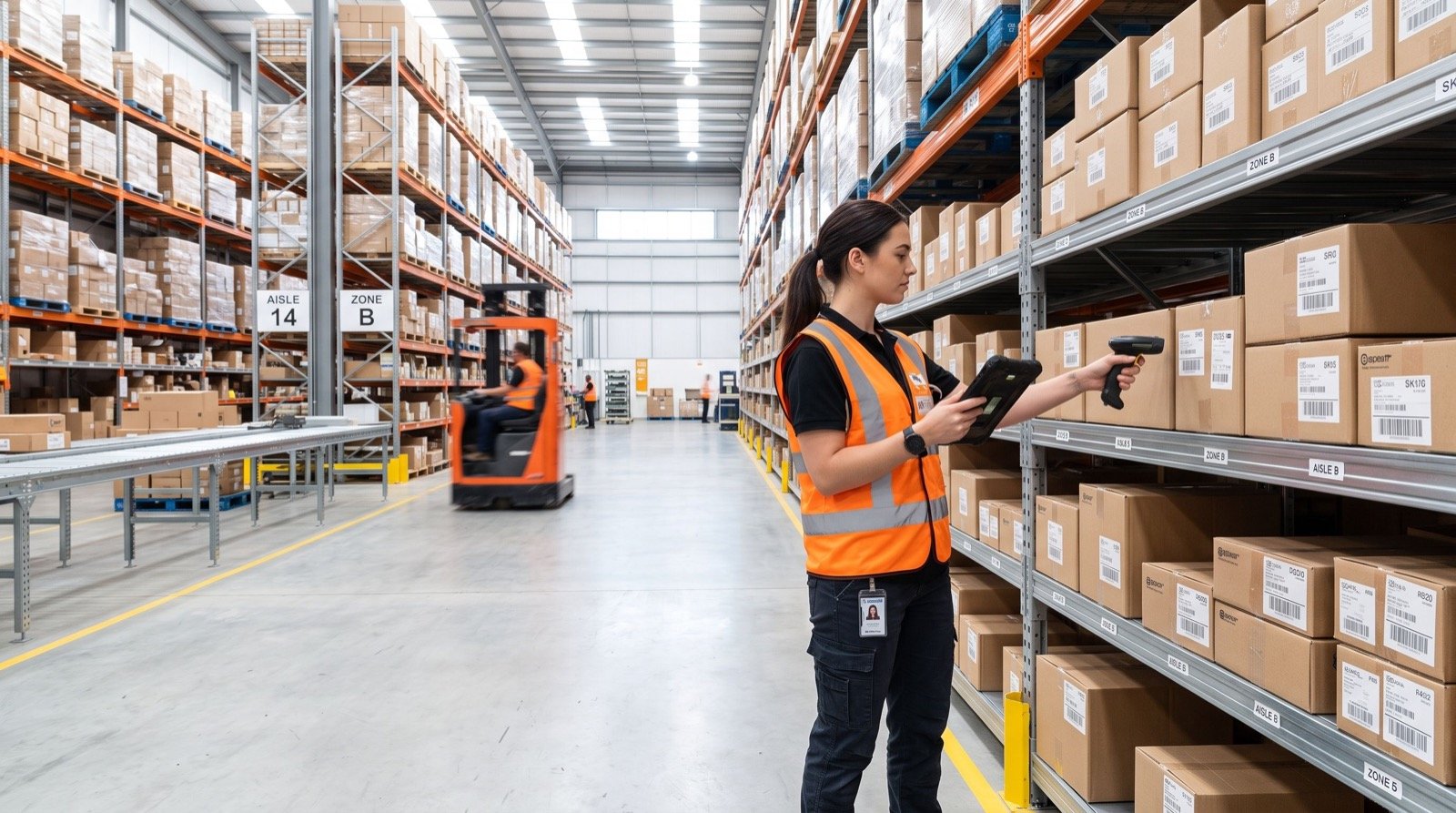
Dammam’s industrial zones host a growing number of frozen storage operations serving the Eastern Province’s food distribution network. These facilities run deep-freeze units around the clock, making them prime candidates for rooftop or yard-mounted solar arrays.
A well-designed Frozen Storage in Dammam facility paired with solar generation can meaningfully reduce peak-demand electricity charges, which are often the largest single line item on a frozen warehouse’s utility bill. Even without full off-grid capability, daytime solar offset reduces strain on the compressor-heavy cooling systems that run hardest when the sun is highest.
Ambient Storage in Jeddah and the Case for Rooftop Solar
Ambient storage doesn’t need deep refrigeration, but it still relies on steady climate control to keep humidity and temperature within a safe range for goods like furniture, documents, and dry inventory. In Jeddah’s coastal humidity, that climate control runs nearly continuously.
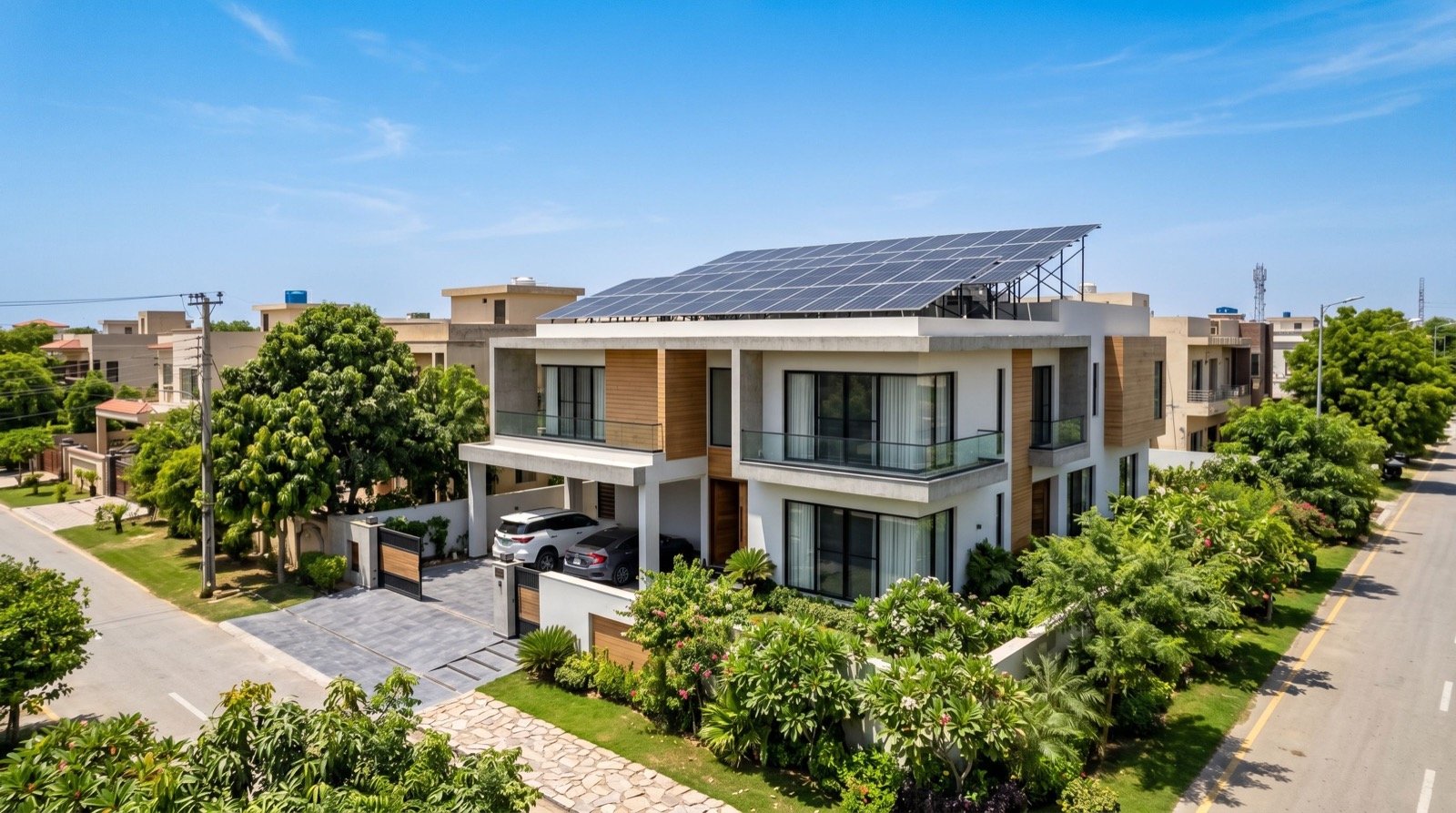
Ambient Storage in Jeddah facilities with rooftop solar can cover a significant portion of their HVAC load during daylight hours, when humidity control works hardest against the coastal climate. Over a full year, that adds up to meaningful operating cost savings for facility operators.
What Solar-Powered Storage Actually Requires
Switching a storage facility to solar is not just about installing panels. It requires a proper energy audit, correctly sized inverters, and in most cases a connection to the Saudi Electricity Company grid for net metering or backup during low-sun periods.
- An energy audit to size the solar array against actual cooling or HVAC load
- Inverter and mounting equipment rated for high desert temperatures
- Grid-tie or hybrid battery setup for nighttime refrigeration needs
- Routine panel cleaning, since dust significantly reduces output in Saudi Arabia
- A maintenance contract covering both the solar system and the cooling equipment it supports
How Much Can Solar Actually Save a Storage Facility?
Savings vary by facility size and cooling load, but industry data consistently shows solar offsetting 20 to 40 percent of total electricity costs for cold storage operations in sun-rich regions. According to the International Renewable Energy Agency (IRENA), solar photovoltaic costs have fallen more than 80 percent over the past decade, making the payback period for commercial installations shorter than most facility owners expect, often within five to seven years for well-sized systems.
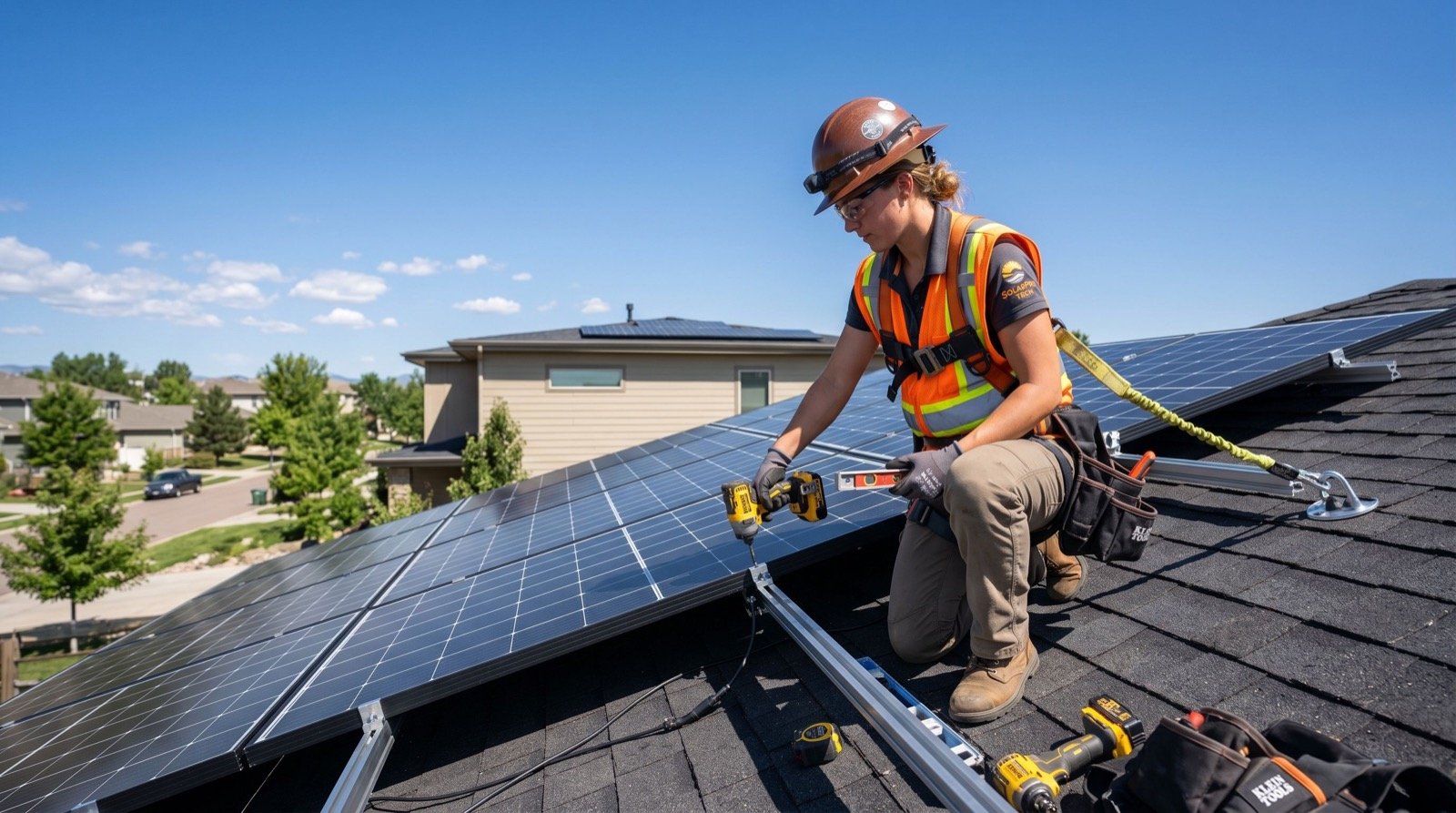
If you have researched local installers, you already know how much the right team matters. Our breakdown of what to expect from an experienced local team covers the questions worth asking before signing any commercial solar contract, and most of that advice applies directly to storage facility owners evaluating installers in Saudi Arabia.
Solar vs. Grid-Only: A Quick Comparison
| Factor | Grid-Only Cooling | Solar-Supplemented Cooling |
|---|---|---|
| Daytime peak demand cost | Full grid rate | Significantly reduced |
| Exposure to tariff increases | High | Lower, partially fixed via solar |
| Upfront investment | None | Moderate to high, with 5-7 year payback |
| Maintenance needs | Cooling system only | Cooling system plus panel upkeep |
| Sustainability profile | Standard | Improved, supports ESG reporting |
Frequently Asked Questions
Is solar power reliable enough for frozen storage, where downtime is costly?
Solar alone is not recommended as the sole power source for frozen storage. Most facilities use a grid-tied hybrid system where solar offsets daytime costs while the grid or backup generators handle nighttime load and emergencies.
How long does it take to install solar at an existing storage facility?
A typical commercial installation, including the energy audit, permitting, and panel mounting, takes six to twelve weeks depending on facility size and local approvals.
Does dust really affect solar output in Saudi Arabia?
Yes, significantly. Unwashed panels can lose 15 to 25 percent of output within weeks during dusty seasons, which is why routine cleaning schedules are a standard part of commercial solar maintenance contracts.
Can ambient storage facilities benefit from solar as much as frozen storage?
Yes, though the load profile differs. Ambient facilities use solar mainly for HVAC and dehumidification rather than deep refrigeration, but the daytime cost offset is proportionally similar.
Sizing a Solar System for a Storage Facility
One of the most common mistakes facility owners make is sizing a solar array based on roof space alone rather than actual cooling demand. An undersized system barely dents the electricity bill, while an oversized one wastes capital on panels that generate power the facility can’t use without battery storage or grid export agreements.
The correct approach starts with twelve months of utility bills, broken down by time of day where possible. That data, combined with compressor specifications for frozen units or HVAC specs for ambient space, lets an installer size the array to match real demand rather than guesswork.
- Pull at least twelve months of detailed electricity usage data
- Separate daytime cooling load from nighttime baseline load
- Size the array to cover daytime peak demand, not total annual consumption
- Decide whether battery backup is worth the added cost for your facility
- Confirm the net metering agreement before signing an installation contract
Maintenance Realities for Solar-Powered Cold Storage
Solar panels in Saudi Arabia face a harsher maintenance schedule than in most other markets. Dust accumulation, occasional sandstorms, and extreme heat all reduce panel efficiency faster than installers sometimes advertise upfront.
A realistic maintenance plan includes scheduled cleaning every four to six weeks during dusty seasons, periodic inverter checks, and a clear service agreement covering both the solar array and the refrigeration or HVAC equipment it supports. Facilities that skip this step often see output degrade well before the panels’ rated lifespan.
Looking Ahead to 2026 and Beyond
As electricity tariffs in Saudi Arabia continue to evolve and the Kingdom pushes forward with renewable energy targets, storage operators who invest in solar now are positioning themselves ahead of rising grid costs. Whether it’s frozen storage in Dammam or ambient storage in Jeddah, the facilities combining smart cooling design with solar generation are the ones best placed to keep operating costs predictable through the next decade.